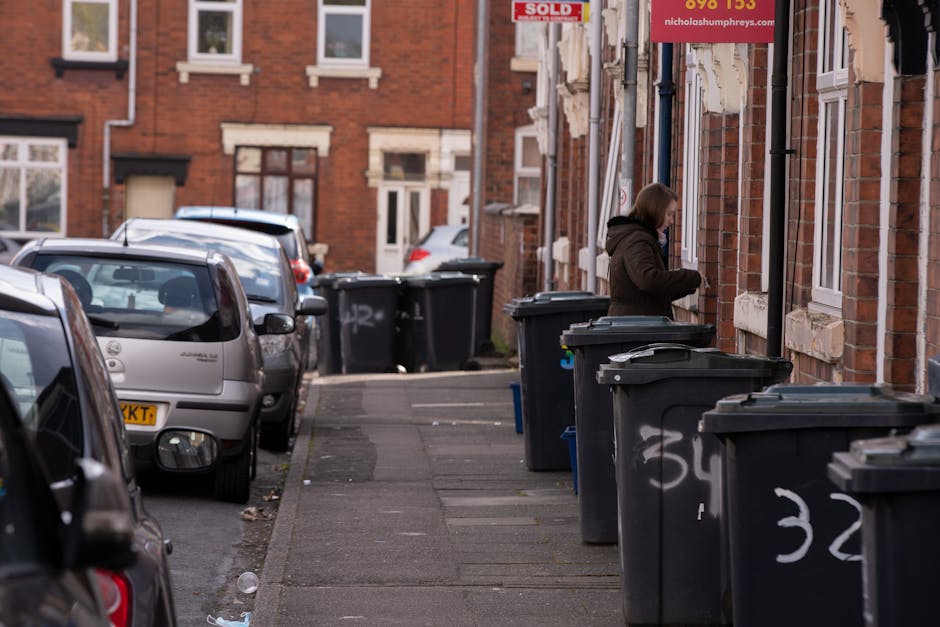
Kilburn High Road Rubbish Removal Tips for Narrow Access
Moving rubbish out of a tight hallway, a split-level flat, or a back courtyard off Kilburn High Road can feel strangely complicated. The waste itself is one thing; the access is the real challenge. Narrow stairwells, shared entrances, parked cars, awkward corners, and limited loading space can turn a simple clearance into a slow, stressful job if you do not plan it properly.
This guide brings together practical Kilburn High Road rubbish removal tips for narrow access so you can clear space safely, avoid damage, and make the job smoother from start to finish. Whether you are dealing with household clutter, old furniture, builder's offcuts, or a full flat clearance, the same principles apply: measure carefully, sort early, protect the route, and choose the right method for the property. To be fair, most issues are preventable if you think one step ahead.
If you are comparing services or planning a larger clearance, you may also find it useful to look at rubbish removal, flat clearance, and furniture disposal alongside the guidance below.
Contents
- Why narrow access matters on Kilburn High Road
- How rubbish removal works in tight spaces
- Key benefits of planning properly
- Who this is for and when it makes sense
- Step-by-step guidance
- Expert tips for better results
- Common mistakes to avoid
- Tools, resources and recommendations
- Law, compliance and best practice
- Options and comparison table
- Real-world example
- Practical checklist
- Conclusion
- Frequently asked questions
Why Kilburn High Road rubbish removal tips for narrow access Matters
Kilburn High Road and the streets around it include a lot of mixed property types: older mansion blocks, compact flats above shops, maisonettes, converted terraces, and buildings with shared stairwells. That mix is exactly why access planning matters. A wide removal route is easy. A narrow one is where delays, knocks to walls, and unnecessary lifting errors creep in.
When access is tight, the job stops being about "taking waste away" and becomes about moving items through a controlled route. That means every box, bag, mattress, wardrobe, or broken appliance has to be considered in relation to doors, stairs, landings, and the street outside. If the item fits the room but not the route, it is still a problem.
There is also the practical side of London life. A van cannot always stop exactly where you want it. A parking space may be blocked. A loading bay may not be available. Neighbours may be coming and going. A crew with a clear plan will work around that calmly; a crew without one tends to lose time, and everyone feels it.
Expert summary: With narrow-access rubbish removal, the winning move is not brute force. It is preparation, measuring, staged movement, and choosing items that can be broken down before the clearance begins.
That is especially true when clearing bulky items such as wardrobes, sofas, or office furniture. If those pieces are still in good condition, it may be worth checking whether a specialist sofa removal or broader house clearance approach suits the property better.
How Kilburn High Road rubbish removal tips for narrow access Works
The process is straightforward in principle, but the details matter. A good narrow-access clearance usually starts before anyone lifts a thing. First, the access route is assessed: front door width, hallway turns, stair landings, ceiling height, and the distance from the property to the vehicle. Then the waste is sorted by type, weight, size, and fragility.
From there, the removal plan is built around the route. Large items may be dismantled. Fragile bags may be grouped so they do not tear. Heavy objects are moved in a logical order, usually from easiest to hardest. If the route is especially tight, the team may use smaller carries, extra padding, or a two-person lift where a solo lift would be unwise. Simple enough, but it makes a huge difference.
For some jobs, the best option is a same-day or pre-booked collection where the crew arrives ready to load immediately. For others, a slower staged clearance is better, especially if the property is occupied or if you need to avoid disrupting tenants, customers, or a busy staircase.
In practice, narrow access changes how the whole job is handled. A clearance in a spacious driveway is one thing; a clearance from a first-floor flat over a busy parade is another. That is why services such as rubbish collection and waste clearance are often used differently depending on the layout of the property.
Key Benefits and Practical Advantages
Careful planning for narrow access does more than make the job easier. It protects the property, saves time, and reduces the chance of a clearance turning into a small disaster. Let's face it, a scratched wall in a narrow stairwell is never "just a scratch" when it is your landlord's wall or a freshly painted hallway.
- Less risk of damage: Door frames, bannisters, floors, and corners are easier to protect when the route is mapped in advance.
- Safer lifting: Tight access often means awkward angles, so better planning reduces slips and strains.
- Faster clearance: A well-prepared route keeps items moving instead of stopping and starting.
- Cleaner finish: Sorting waste in advance avoids leaving small debris behind the crew.
- Better value: Time saved on site often translates into a smoother job overall, especially where access is challenging.
There is also a mental benefit, which people sometimes underestimate. If the stairs are narrow and the corridor is cluttered, the job can feel overwhelming before it starts. A clear plan makes it feel manageable again. That is often what people are really paying for: not just removal, but calm.
For larger clearances, the right service type matters. A packed flat may suit flat clearance, while a garage or storage space might be better handled through garage clearance or home clearance.
Who This Is For and When It Makes Sense
This guidance is useful for landlords, tenants, homeowners, agents, shopkeepers, office managers, and anyone trying to move unwanted items out of a property where access is less than generous. You do not need to be clearing a whole building to benefit from it. Even two bulky items can become a headache in a narrow London stairwell.
It makes sense if you are dealing with any of the following:
- a flat above a shop on Kilburn High Road
- a converted house with a tight internal staircase
- a basement or top-floor property with awkward turns
- shared entrance ways with limited room for stacking waste
- bulky household items that do not fit through the route as-is
- small business waste that has to be carried through customer areas or narrow corridors
If you are running a business, access issues can be even trickier because you may need to work around trading hours. In that case, a planned business waste or office clearance approach usually works better than trying to improvise on the day.
And if the items are mostly old furniture rather than mixed rubbish, it may be cleaner and simpler to use a dedicated service such as furniture disposal rather than treating everything as general waste. Small distinction, big practical difference.
Step-by-Step Guidance
Here is a practical way to approach rubbish removal where access is tight. Nothing fancy. Just the sequence that tends to work.
- Walk the route first. Measure door widths, stair widths, and any tight turns. Check for handrails, low ceilings, and furniture that narrows the hallway.
- Sort the waste before moving anything. Separate bulky items, bagged waste, fragile items, and anything that may need special handling. If there are garden or shed items mixed in, keep them apart so the load stays organised.
- Break down what can be broken down. Flat-pack furniture, bed frames, shelving, and desks often become much easier to move once dismantled.
- Protect the route. Use floor coverings, corner guards, and a clear path. Even a quick job goes better when the route is not cluttered with shoes, coats, or random boxes.
- Check the street side logistics. Where will the vehicle stop? Is there room for loading? Will the van need a short carry from the property entrance?
- Move the heaviest items first if the route allows it. Or move the most awkward item first, if that clears space for everything else. There is no one perfect order, but there is usually one sensible order.
- Keep communication simple. If you are using a team, make sure everyone knows which items go, which stay, and what needs extra care.
- Do a final sweep. Check under stairs, behind doors, in corners, and around skirting boards for small fragments or loose debris.
A real-world example? A one-bed flat with a narrow staircase may only take an extra fifteen minutes to plan properly, but that fifteen minutes can save a lot of "back up, pivot, try again" moments later. And those moments add up fast.
Expert Tips for Better Results
The best narrow-access jobs are rarely the most dramatic. They are the ones where the plan quietly does the hard work.
Measure the awkward parts, not just the obvious ones
Everyone remembers the front door. Fewer people measure the turn at the top of the stairs, the width between the banister and the wall, or the pinch point where a radiator juts out. Those are often the spots that decide whether an item can pass safely.
Use the item's shape to your advantage
A sofa or wardrobe may seem impossible until you rotate it diagonally or remove a part. Sometimes the "can't fit" problem is really a "wrong angle" problem. Not always, of course, but often enough to be worth trying.
Keep bags lighter than you think you need to
In narrow stairwells, overfilled bags are a pain. They swing, catch on corners, and put more strain on the person carrying them. A few extra bags are better than one overstuffed one. That is just common sense, really.
Move in stages if the property is busy
If people are coming in and out, or if the property is still being lived in, move waste in smaller staged batches. It keeps the entrance clear and reduces the feeling that the place is being turned upside down.
Leave a clean handoff point near the door
Even a tiny landing area near the exit can make the process smoother. If possible, keep that spot free before the crew arrives. It sounds minor. It is not minor.
For more complicated loads, especially mixed waste from refurbishments or repairs, a specialist builders waste service may be more appropriate than a general load. The more organised the category, the smoother the handoff tends to be.
Common Mistakes to Avoid
The same mistakes come up again and again in narrow-access clearances. Most are avoidable, which is the annoying part.
- Guessing the measurements: "It'll probably fit" is not a measurement.
- Forgetting the turning space: A piece can be narrower than the door and still fail at the bend.
- Overpacking bags: Heavy, bulging bags slow everything down and increase strain.
- Leaving sorting until the last minute: Mixed waste piles are harder to move and harder to check.
- Ignoring shared areas: Hallways, landings, and entrances need to stay usable.
- Not planning for parking: A perfect route inside means little if the vehicle is nowhere near the entrance.
- Using the wrong service for the job: A simple collection may be enough, but not always. For example, a mixed household clearance may need rubbish clearance rather than a single-item pickup.
One small but common error: people clear the room but forget the route. Then they end up standing in a tidy room staring at a blocked hallway. Slightly comic in hindsight, less funny in the moment.
Tools, Resources and Recommendations
You do not need a van full of specialist kit to manage narrow access well, but a few practical tools help a lot. Think of this as the basic kit for avoiding hassle.
- Tape measure: essential for checking doors, stair widths, and awkward furniture dimensions.
- Heavy-duty gloves: useful for rough edges, dusty items, and mixed loads.
- Floor protection: cardboard, dust sheets, or protective runners can save a lot of worry.
- Straps or grips: handy for improving control when moving heavier items.
- Marker pens and labels: useful if items need to be grouped, kept, or separated for donation, reuse, or disposal.
- Strong bags and boxes: lighter loads are easier to manoeuvre through narrow spaces.
On the service side, it helps to choose a provider that can handle a range of waste types without making the job feel fragmented. If you are clearing a mixed property, waste removal or waste collection may be the more flexible choice. For indoor clutter, rubbish removal is often the cleanest fit.
For domestic jobs, people also often combine a clearance with house clearance or even home clearance if the property needs a fuller reset. The right combination depends on the scale of the job, not just the item count.
Law, Compliance, Standards, or Best Practice
There is no need to overcomplicate this, but some basic UK waste best practice matters. Waste should be handled responsibly, and anyone arranging removal should be clear about what is being taken, where it is going, and whether items need special treatment. If a clearance involves a business premises, a landlord, or shared residential areas, keeping communication clear is especially important.
In practice, the key points are simple:
- do not place items where they create an obstruction in shared access areas
- separate waste types where practical and safe
- handle electrical items, sharp objects, and heavy materials with care
- make sure the removal plan does not damage common parts or neighbouring property
- follow any site-specific building rules or access instructions you have been given
If you are clearing from a flat or a managed building, a little courtesy goes a long way. Keep noise reasonable, avoid blocking the entrance for too long, and make sure the route is left tidy. Honestly, people remember that. The good jobs are the ones neighbours barely notice.
When waste is being removed from a commercial setting, a service such as business waste should be used in line with the property's routines and any operational needs. Likewise, office sites often benefit from a planned office clearance rather than ad hoc disposal.
Options, Methods, or Comparison Table
Different narrow-access situations call for different approaches. The best one depends on the item size, the amount of waste, and how awkward the route is.
| Method | Best for | Pros | Watch-outs |
|---|---|---|---|
| Single-item removal | One bulky item like a sofa or wardrobe | Quick, simple, often less disruptive | Can still be tricky if the route is very tight |
| General rubbish collection | Mixed household waste in bags and smaller items | Flexible and efficient | Less ideal for very large furniture |
| Flat clearance | Multiple rooms or a full flat | Organised and thorough | Needs careful planning in shared stairwells |
| Waste clearance | Mixed domestic or light commercial waste | Good all-round option | May need sorting before removal |
| Furniture disposal | Bulky furniture only | Specialist handling for large items | Measure carefully before moving anything |
A simple rule helps here: if the issue is mostly size and shape, a furniture-focused option may work best. If the issue is mixed clutter, general rubbish handling may be more practical. If the property is almost empty, but the route is miserable, then a full clearance service is usually the calmer choice.
Case Study or Real-World Example
Picture a second-floor flat just off Kilburn High Road, with a narrow internal stairwell and a tight turn near the front door. The resident wants three bin bags, an old chest of drawers, a small desk, and a broken chair taken away. Nothing huge, but awkward enough to cause frustration if handled in the wrong order.
The sensible approach is to sort the load first. The bags are sealed and kept light. The desk is checked to see whether the legs can be removed. The chest of drawers is measured against the narrowest stair point, not just the doorway. The chair is dismantled so it does not snag on the turn. Before anything moves, the route is cleared of shoes, plant pots, and a stack of deliveries sitting by the hall wall.
What changes the outcome is not muscle; it is sequencing. By taking apart the awkward items and moving the lighter bags first, the room opens up quickly. The stairwell stays usable. The job feels controlled. And because the entrance is not blocked for long, there is less chance of upsetting neighbours or interrupting anyone passing through.
That sort of job is a good example of why narrow access planning matters. A small clearance can still go wrong if the items are moved in the wrong order or without checking the route. On the other hand, a modest bit of preparation can make the whole thing surprisingly easy.
Practical Checklist
Use this checklist before you book or begin a narrow-access removal on Kilburn High Road.
- Measure the narrowest door, stair, and turn points
- Check whether any furniture can be dismantled
- Separate bulky items from loose waste
- Keep heavy bags from being overfilled
- Clear the hallway, landing, and entrance route
- Confirm where the vehicle can stop
- Protect floors, corners, and bannisters if needed
- Decide whether the job is a single-item pickup or a fuller clearance
- Set aside anything you want to keep before removal starts
- Leave a final sweep for small debris and overlooked items
If your property is especially tight, it may help to talk through the job before the day. A few minutes of planning can save a lot of awkward manoeuvring later. That part is boring, admittedly, but it works.
Conclusion
Kilburn High Road rubbish removal tips for narrow access come down to a simple idea: the more awkward the route, the more valuable the planning. Measure first, sort early, protect the property, and choose the removal method that fits the items and the building layout. That approach keeps the job safer, quicker, and far less stressful.
Whether you are dealing with a single bulky item, a packed flat, or a mixed waste load from a property that has just had a clear-out, the best results usually come from thinking about the route before thinking about the load. It is a small shift, but it changes everything. And once you have done it properly once, you will never quite look at a narrow hallway the same way again.
If you are ready to clear space without the hassle, explore the most suitable local service for your property and make the process easier from the outset.
Get a free quote today and see how much you can save.
Frequently Asked Questions
What is the best way to plan rubbish removal on Kilburn High Road with narrow access?
Start by measuring the tightest parts of the route, then sort items by size and weight before moving anything. In narrow properties, planning the route matters more than the load itself.
Can large furniture be removed through a narrow staircase?
Often yes, but not always in one piece. Sofas, wardrobes, and bed frames may need dismantling or rotating carefully to fit corners and landings.
Do I need to clear the hallway before the crew arrives?
Yes, if possible. A clear hallway helps protect floors and makes the job safer and faster. Even small things like shoes or parcels can get in the way.
Is a flat clearance better than rubbish removal for narrow access?
If you are clearing several rooms or a whole property, flat clearance is usually the better fit. For bags, mixed clutter, or smaller loads, rubbish removal may be enough.
What should I do if the item fits through the door but not the stairs?
Check whether the item can be taken apart, carried at an angle, or moved in sections. If not, it may need a different removal method or more than one person.
How do I protect walls and bannisters in a tight stairwell?
Use floor coverings, keep items lifted rather than dragged, and move slowly around corners. Protection is mostly about control and patience, not expensive kit.
Can you remove rubbish from a flat above a shop?
Yes, but access planning is especially important because you may have a narrow staircase and limited street space. Timing and vehicle placement matter more in that setup.
What if parking outside Kilburn High Road is difficult?
Build that into the plan from the beginning. If the vehicle cannot stop close by, the carry distance needs to be factored into how the job is organised.
Should I bag everything before removal day?
For loose rubbish, yes, that usually helps a lot. Keep bags manageable and do not overfill them, especially if the route includes stairs or several turns.
Is narrow access more expensive to deal with?
It can be, depending on the time and effort involved. The main cost factor is usually the extra handling and care needed, rather than the postcode alone.
What items are hardest to remove through tight access?
Wardrobes, sofas, mattresses, heavy appliances, and oddly shaped office furniture tend to be the most awkward. Flat-pack items are often easier once dismantled.
When is it worth booking a specialist clearance instead of handling it myself?
If the route is tight, the items are bulky, or the property has shared access, a specialist clearance is usually the safer and calmer option. Narrow stairs can be unforgiving.