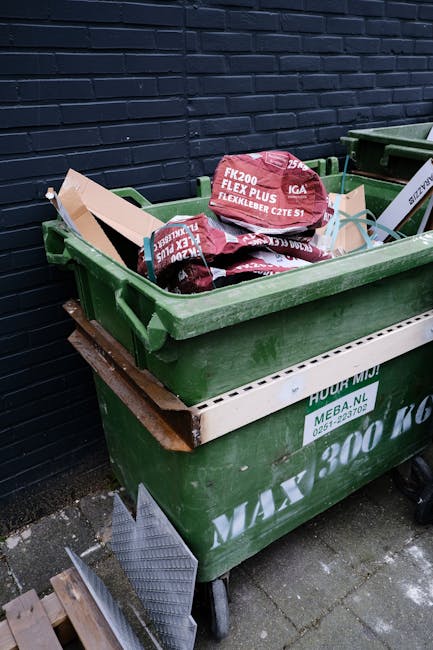
Camden NW1 Rubbish collection guide for flats and HMOs
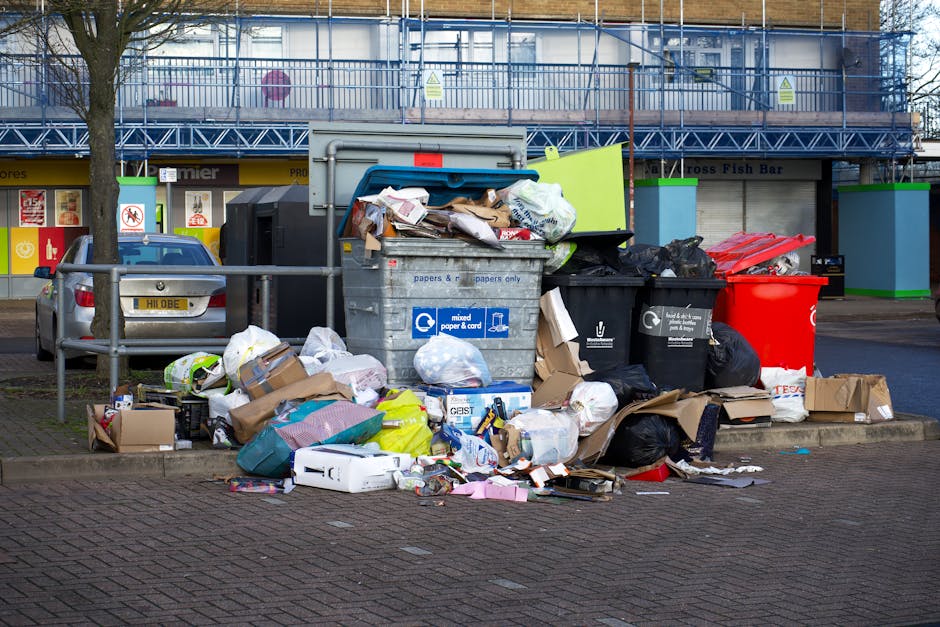
If you manage a flat block, live in an HMO, or deal with rubbish collection in Camden NW1 on a weekly basis, you already know the problem is rarely just "getting rid of waste." It is the stairs, the tight entrances, the shared bins, the missed collections, the neighbour complaints, and the odd moment when a sofa somehow becomes a logistics challenge. This Camden NW1 Rubbish collection guide for flats and HMOs brings the whole thing down to earth and shows you how to handle it properly, without the usual stress.
Whether you are a landlord, tenant, managing agent, or house share resident, the aim is the same: keep waste moving, keep the building tidy, and avoid the little issues that turn into bigger ones. You will find practical steps, compliance pointers, common mistakes, and the best ways to organise flat and HMO waste collection in a busy part of North West London.
Why Camden NW1 Rubbish collection guide for flats and HMOs matters
Camden NW1 is busy, compact, and full of mixed housing. That alone changes the waste picture. In a terraced house, rubbish is usually simpler: one household, one set of bins, one point of responsibility. In a flat or HMO, there may be several residents, limited storage, shared access, and a constant flow of packaging, food waste, furniture, and the occasional bulky item that seems to arrive by magic. Not always the neatest system, let's be honest.
When rubbish collection is not organised properly, a few things tend to happen. Bags get left in hallways. Recycling gets contaminated. Bin stores overflow. Staff or residents start guessing who should take responsibility. Then the building starts to feel untidy, and in some cases, unhygienic. That is bad for tenant satisfaction, bad for property presentation, and frankly, a pain for everyone.
For HMOs in particular, waste is not just an appearance issue. It affects daily living, neighbour relations, and how smoothly a property runs. A clear collection routine helps reduce disputes, keeps communal spaces usable, and makes it easier to deal with changes in occupancy. If you are dealing with end-of-tenancy clear-outs, an efficient flat clearance service can be a practical way to reset the space before new occupants move in.
There is also a local reality to consider. Camden streets can be narrow, parking can be awkward, and access to rear yards or bin stores is not always straightforward. Waste plans that work elsewhere can fall apart here. In a place like NW1, practical planning matters as much as the collection itself.
Expert summary: The best Camden NW1 waste systems for flats and HMOs are simple, visible, and repeatable. If residents know where waste goes, when it goes out, and who is responsible for bulky items, things usually stay under control.
How Camden NW1 Rubbish collection guide for flats and HMOs works
At its simplest, rubbish collection for a flat block or HMO has three moving parts: storage, separation, and removal. Storage is where the waste sits between collections. Separation is how residents sort it into general waste, recycling, food waste, or bulky items. Removal is the actual pickup, whether by local collections or a private provider.
For smaller blocks, the usual setup is a shared bin store or a defined collection point. For HMOs, especially larger properties, the setup may also include house rules about bagging waste, flattening cardboard, or keeping communal corridors clear. A good system is obvious to anyone walking in for the first time. If it looks improvised, it usually behaves that way too.
Bulky waste is a separate issue. One abandoned mattress or broken wardrobe can block access quickly. In those moments, a service such as rubbish removal or waste clearance is often more efficient than trying to squeeze the item into normal bin arrangements. If the item is a sofa, sofa removal may be the cleaner option, especially when stairwells are tight and a lift is not available.
In practical terms, a good collection process in Camden NW1 usually follows this rhythm:
- Waste is separated at source wherever possible.
- Shared bins are kept accessible and not blocked by overspill.
- Bulky items are reported early, not after they have been sitting there for three days.
- Collection times are matched to building access and resident behaviour.
- Someone is clearly responsible for checking the system is actually being followed.
That last part sounds obvious, but it is the bit many buildings miss. A system only works if someone keeps an eye on it. No drama, just routine.
Key benefits and practical advantages
When waste collection is organised well, the benefits are easy to see. The bin store smells better. The hallway stays clearer. Residents complain less. Cleaning becomes easier. And the whole building feels more in control, which matters more than people often admit.
Here are the main practical advantages for flats and HMOs in Camden NW1:
- Cleaner shared spaces: waste is less likely to leak into corridors, entrances, or back yards.
- Lower pest risk: well-managed waste is less attractive to rodents and insects.
- Less neighbour friction: fewer overflowing bags means fewer awkward conversations.
- Better tenant experience: residents are far more relaxed when waste rules are clear.
- Improved property presentation: useful for viewings, inspections, and end-of-tenancy checks.
- Faster turnaround after moves: especially useful for voids, refurbishments, or changeovers.
There is another benefit that is easy to overlook: better decision-making. Once you know what kind of waste a property produces, you can choose the right service. Regular bin waste, one-off bulky rubbish, leftover furniture, office-style waste from a mixed-use building, or post-works debris all call for different handling. For refurbishment debris, a specialist builders waste solution can be a better fit than a general collection.
If the building includes a live-work arrangement or a small management office, there may also be overlap with commercial waste. In that case, business waste support can help keep the building compliant and less cluttered. It depends on the site, of course, but that split between domestic and commercial waste is worth thinking through properly.
Who this is for and when it makes sense
This guide is mainly for people who are responsible for waste in shared homes or multi-occupancy buildings. That includes landlords, property managers, HMO licence holders, letting agents, residents' groups, and tenants who are tired of being the one person who keeps moving other people's bins. You know the role.
It makes sense to put a proper collection plan in place if any of the following apply:
- The building has more than one household sharing bins or storage.
- Residents leave bags in common areas because the bin store is full.
- You regularly get bulky items left in shared spaces.
- Collections are being missed because access is difficult.
- End-of-tenancy clearances happen often.
- The property is split across several floors with no easy lift access.
- Recycling contamination keeps happening and nobody is quite sure why.
It is also relevant for buildings in busy parts of Camden where street conditions make every collection feel slightly more complicated than it should. You may have a perfectly sensible waste plan on paper, and then reality arrives with parked cars, rain, and a narrow front path. Truth be told, that is the bit people forget when planning.
If your property has lots of furniture turnover, it can help to have a standing plan for furniture disposal rather than waiting until the landing is full of dismantled drawers and one lonely armchair. That one armchair can cause more trouble than it has any right to.
Step-by-step guidance
If you want a waste routine that actually holds up, keep it simple and practical. Here is a structured approach that works well for most flats and HMOs in NW1.
1. Map the waste points
Start by identifying where waste is produced and where it is stored. Look at kitchens, communal hallways, rear access areas, bin stores, and any route used for moving bins to the street. Note what gets blocked, what gets used, and where overflow tends to happen.
2. Separate everyday waste from bulky waste
Do not mix normal bin management with one-off items. Food waste, general rubbish, cardboard, and recycling should have a regular rhythm. Bulky waste needs its own process. That could mean booking a one-off rubbish collection or arranging a broader waste removal visit when multiple items need shifting at once.
3. Set clear resident instructions
People are much more likely to comply when the instructions are short and obvious. Tell residents where to place rubbish, when to put bins out, what not to leave in hallways, and who to contact if there is a problem. A laminated notice in the right place can do more than three long emails. Funny, but true.
4. Build in collection timing
Align the waste routine with the building's real life. If most residents leave early in the morning, collections should not depend on everyone remembering at 7 a.m. on a Monday. If the building has a cleaner or caretaker, their route should include a bin-store check. Small timing details matter more than people think.
5. Plan for special waste
Special waste includes mattresses, old sofas, broken chairs, packaging from a move-in, and debris from maintenance or refurbishment. For clearance jobs in flats, a service like rubbish clearance can be ideal when the issue is not one item, but a cluster of mixed junk that needs clearing in one go.
6. Review after a busy week
After a move-out, a student turnover, or a repair job, check what changed. Was the bin store overloaded? Did access become awkward? Did people dump waste next to the wrong container? A quick review after busy periods helps you tighten the process before the same problem repeats.
Expert tips for better results
In our experience, the best waste systems in flats and HMOs are the ones that remove decisions from the resident as much as possible. The less people have to guess, the better the result.
- Use visual cues. Labels, colour coding, and simple signage are more effective than long instructions.
- Keep routes clear. A bin store is only useful if people can actually reach it without stepping over clutter.
- Choose a realistic collection frequency. If the building overfills midweek, the schedule is too light.
- Reserve a plan for move-outs. Tenant turnover is when waste peaks, so have a faster process ready.
- Track recurring offenders. Not in a punitive way, just enough to spot patterns.
- Use the right service for the right job. A general pickup is not always the answer for a settee, fridge, or load of mixed waste.
One small but useful habit: keep a photo record of the bin area when it is tidy. It sounds almost too simple, but it helps everyone understand what "good" looks like. People often behave better when there is a clear reference point.
For larger household clearances, home clearance or house clearance may be more suitable than trying to work around the standard waste stream. That is especially true if a flat is being emptied quickly and there is a mix of furniture, bags, and leftover small items.
Common mistakes to avoid
Most waste problems in flats and HMOs do not come from one huge mistake. They come from a few small ones building up. The good news is they are all avoidable.
- Leaving the system vague. If no one knows the rule, people will invent their own.
- Assuming residents will "just know". They usually will not, at least not at first.
- Ignoring bulky items until they become a fire-route issue. That is the point where simple becomes inconvenient.
- Using the wrong collection method. General bin collection is not meant to solve every clearance problem.
- Letting cardboard pile up near recycling. It looks harmless until it takes over half the store.
- Forgetting access constraints. A collection plan that ignores stairwells, locked gates, or narrow service roads is not much of a plan.
Another mistake is treating every waste issue as a resident behaviour problem. Sometimes it is, but often the property layout is doing half the damage. A cramped bin store, poor signage, or a collection slot that clashes with resident routines can create problems even when everyone is trying to do the right thing.
Tools, resources and recommendations
You do not need a complicated setup to manage rubbish well in flats and HMOs. A few simple tools and habits go a long way.
- Clear labels: for general waste, recycling, food waste, and bulky item holding areas.
- Resident notices: short and blunt is often best.
- Incident log: useful for repeat issues, missed collections, or overflow patterns.
- Contact list: who manages the property, who cleans, who books collections, and who handles emergencies.
- Measurement by eye: in many buildings, a quick visual check is enough to see whether the current collection frequency is working.
If the building also needs a one-off clean-out after storage misuse, tenant departure, or a deep reset, a wider waste clearance service may be the better route. And if you need a broader understanding of service types across the area, the Camden service area and North West London coverage pages can help you orient the right local option.
Some buildings also benefit from area-specific support. For example, if you are comparing service needs across nearby neighbourhoods, it can be useful to look at patterns in places like Kentish Town, Primrose Hill, or West Hampstead. Not because the waste is identical, but because local access and building style often shape the solution.
Law, compliance, standards, and best practice
Waste in flats and HMOs needs a careful approach because several duties can overlap: landlord responsibility, tenant behaviour, building management, and local collection arrangements. This is where it pays to be cautious and sensible rather than overconfident.
In UK practice, you should make sure waste is stored so it does not create a nuisance, obstruct access, or encourage pests. Shared properties should also have clear arrangements for where waste goes and who deals with items that do not fit normal collection rules. If a building is used as an HMO, the management side of waste is often more important than people expect. Small failings can become repeated complaints fast.
Best practice usually includes:
- keeping bins accessible and not overfilled;
- preventing waste from being left in stairwells or exits;
- separating bulky items from routine rubbish;
- ensuring the right type of waste is handled in the right way;
- keeping resident instructions simple and visible;
- using reputable waste services for non-standard loads.
If you are arranging a service for more commercial or mixed-use premises, office clearance or business waste may be more relevant depending on what the property actually contains. The point is not to force a label onto the site. It is to match the waste route to the real use of the building.
For building work or renovation waste, the same caution applies. A few plasterboard offcuts or broken units can quickly become a different category from ordinary household rubbish, which is why builders waste handling should be considered separately.
Options, methods, or comparison table
For flats and HMOs in Camden NW1, the main options usually fall into three categories. The right one depends on volume, timing, access, and whether the waste is routine or one-off.
| Option | Best for | Strengths | Limitations |
|---|---|---|---|
| Routine bin collection | Daily domestic waste in shared buildings | Simple, familiar, low-friction | Not suitable for bulky or mixed clearance jobs |
| One-off rubbish collection | Overflow, tenant changeovers, random accumulation | Flexible, fast, practical | Needs clear access and accurate load description |
| Full waste or flat clearance | End-of-tenancy, voids, major tidy-ups | Removes multiple items in one visit | More involved than a simple pickup |
There is no single "best" method. A well-run HMO might rely mostly on regular collections, with one-off removals during busy periods. A block with frequent move-outs may lean on flat clearance more often. And a building with recurring mixed waste may need a broader rubbish removal plan rather than ad hoc fixes.
For some customers, the decision comes down to speed. For others, it is about keeping communal areas clear. Quite often, it is both.
Case study or real-world example
A typical Camden NW1 situation might look like this. A three-storey HMO has six residents, no lift, a small front forecourt, and a rear bin area that is shared with another property. On paper, the waste arrangement looks fine. In reality, one resident keeps leaving cardboard by the bins, another forgets which day the collection is due, and a moving tenant leaves a dismantled bed frame in the hallway "just for tonight".
By the following afternoon, the hallway feels cluttered, the bin store is partially blocked, and the cleaner has to work around the mess. Nothing catastrophic. But enough to create frustration.
The fix is usually not complicated:
- The property manager posts a short notice with bin days and a clear "no hallway storage" rule.
- The move-out is handled through a quick one-off collection rather than waiting for the next standard pickup.
- The cardboard issue is solved by adding one clear recycling instruction at the bin store.
- The cleaner checks the area every collection cycle for two weeks to make sure the habit sticks.
Within a short time, the building feels calmer again. Not perfect, because real life never is, but noticeably better. And in a shared property, that is a meaningful win.
Practical checklist
Use this checklist before your next collection day or tenant move-out:
- Check bin access is clear and unlocked where needed.
- Confirm the collection day and collection point.
- Separate general waste, recycling, and bulky items.
- Remove loose items from corridors and shared landings.
- Bag waste properly so it does not split on stairs or pavements.
- Flatten cardboard if space is tight.
- Book a specialist collection for sofas, furniture, or mixed load clearances if necessary.
- Tell residents what is happening and when.
- Inspect the area after collection to see what still needs attention.
- Update your notes if the same issue keeps recurring.
A small extra tip: if you are managing repeated end-of-tenancy clear-outs, keep a "problem items" list. You will soon see the same items pop up again and again. Mattresses, broken chairs, flat-packed packaging, and old shelving. Predictable, really.
Conclusion
Good rubbish collection in Camden NW1 flats and HMOs is not glamorous, but it makes a real difference. The right system keeps shared spaces cleaner, reduces friction between residents, and saves time for everyone involved. More importantly, it stops waste from becoming one of those little building problems that quietly grows teeth.
If you keep the process simple, match it to the building layout, and choose the right service for the right job, you will usually stay ahead of the mess rather than chasing it. That is the goal. Not perfection. Just a building that feels orderly, lived-in, and manageable.
Get a free quote today and see how much you can save.
And if the next collection day feels a bit chaotic, that is normal enough. The trick is to put a system in place that still works on a rainy Tuesday with too many bags and not enough space. Once that happens, things get easier. Really, they do.
Frequently Asked Questions
What is the best rubbish collection setup for a Camden NW1 flat block?
The best setup is usually a clear bin-store system with simple resident instructions, regular collections, and a separate process for bulky waste. Keep it visible and easy to follow.
How do HMOs handle bulky waste like sofas or mattresses?
Bulky items should be kept separate from everyday rubbish and arranged through a dedicated pickup or clearance service. Do not leave them in hallways or by shared bins for long.
Can tenants in flats put everything in one communal bin?
Usually not. Shared bins are fine for normal waste, but recycling, food waste, and bulky items should be handled according to the property's system and the type of collection available.
What should I do if the bin store keeps overflowing?
First, check whether collection frequency is too low for the building's actual use. Then look at resident behaviour, waste separation, and whether bulky items are being left there too long.
Is flat clearance the same as rubbish removal?
Not quite. Rubbish removal is broader and can cover mixed waste or single loads, while flat clearance usually means clearing out a whole flat or a substantial portion of its contents.
What should be kept out of communal hallways?
Anything that blocks access, creates a fire risk, or makes the building untidy should be removed quickly. That includes bags, furniture, boxes, and loose waste.
Do landlords have to provide waste instructions in HMOs?
It is good practice to do so, and in many shared properties it is essential. Clear instructions reduce confusion, complaints, and repeated overflow problems.
How often should waste be checked in a shared property?
That depends on occupancy and layout, but a weekly check is common in smaller buildings, while busier HMOs may need more frequent oversight.
What if the property has very narrow access?
Then access should be planned before collection day. Narrow stairs, gated entries, and limited parking all affect what type of collection is realistic.
When should I choose furniture disposal instead of normal collection?
Use furniture disposal when an item is too large, awkward, or heavy for normal waste handling. It is especially useful for beds, wardrobes, sofas, and old desks.
Are builders' leftovers handled differently from household rubbish?
Yes, they usually are. Materials from repairs or refurbishments are better treated as builders waste rather than mixed household rubbish, especially if the volume is significant.
What is the quickest way to tidy a messy flat after a tenant leaves?
A flat clearance or broader waste clearance service is often the quickest route when there are many items to remove at once. It is more efficient than trying to deal with everything through the normal bin system.